




xFusion Explorer 2026 Charts the Path to the Sapient Enterprise
Zhengzhou, China, Sep 21 — xFusion Explorer 2026 was held in Zhengzhou under the theme “Building the Agentic Era Together.” Customers, industry partners, experts, and analysts from around the world joined the event to explore how enterprises can evolve toward the Sapient Enterprise in the Agentic Era.
As AI moves from experimentation to enterprise-scale adoption, the question facing organizations is changing. It is no longer simply whether to use AI, but how to secure a stable supply of intelligence, operate it efficiently, and turn it into measurable business value.
The conference unfolded across three chapters — Into the Agentic Era, Token Factory in Action, and Partnering for Growth — connecting enterprise transformation, AI infrastructure, Token production and operations, and global ecosystem collaboration.
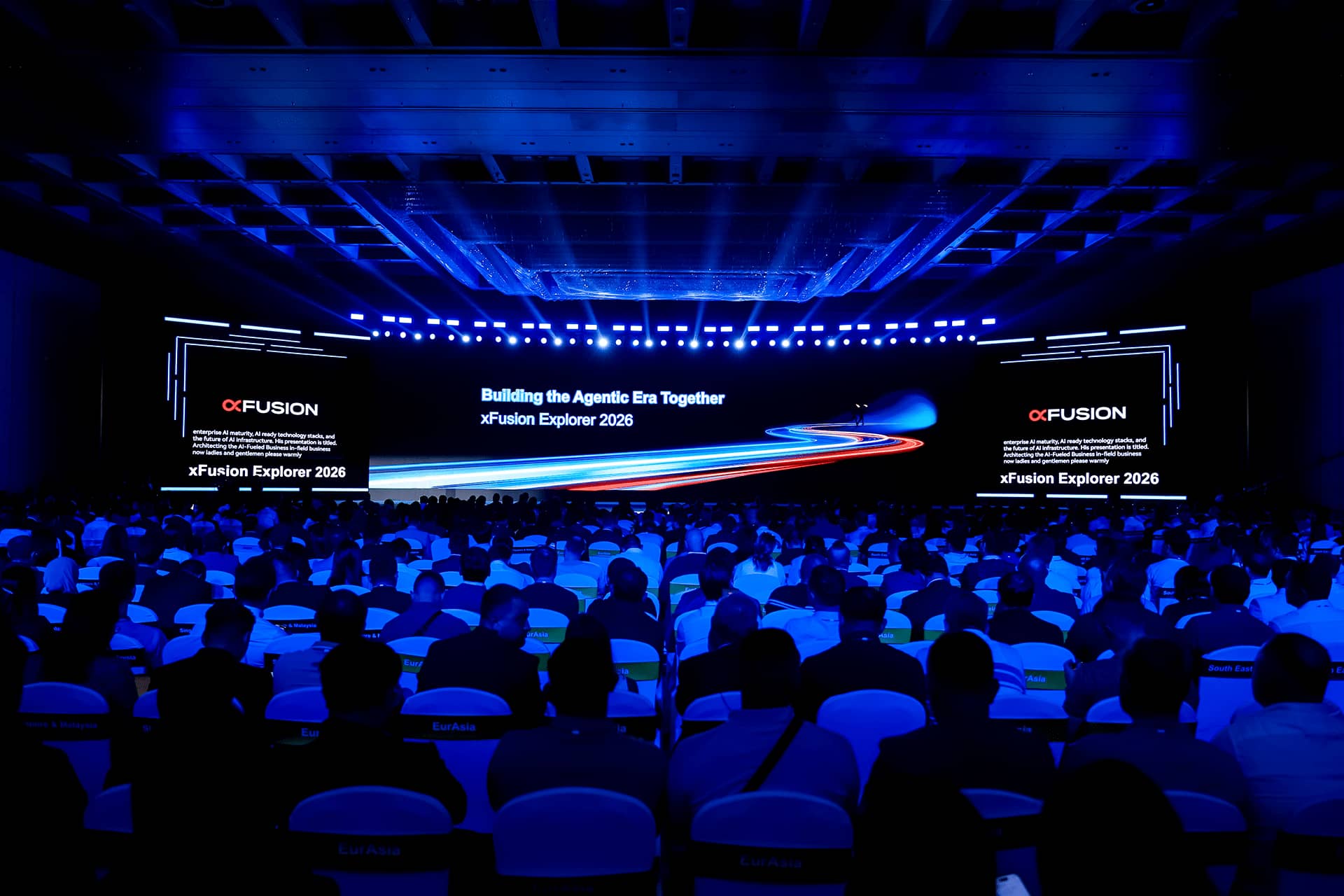
Into the Agentic Era: Rethinking Enterprise Evolution
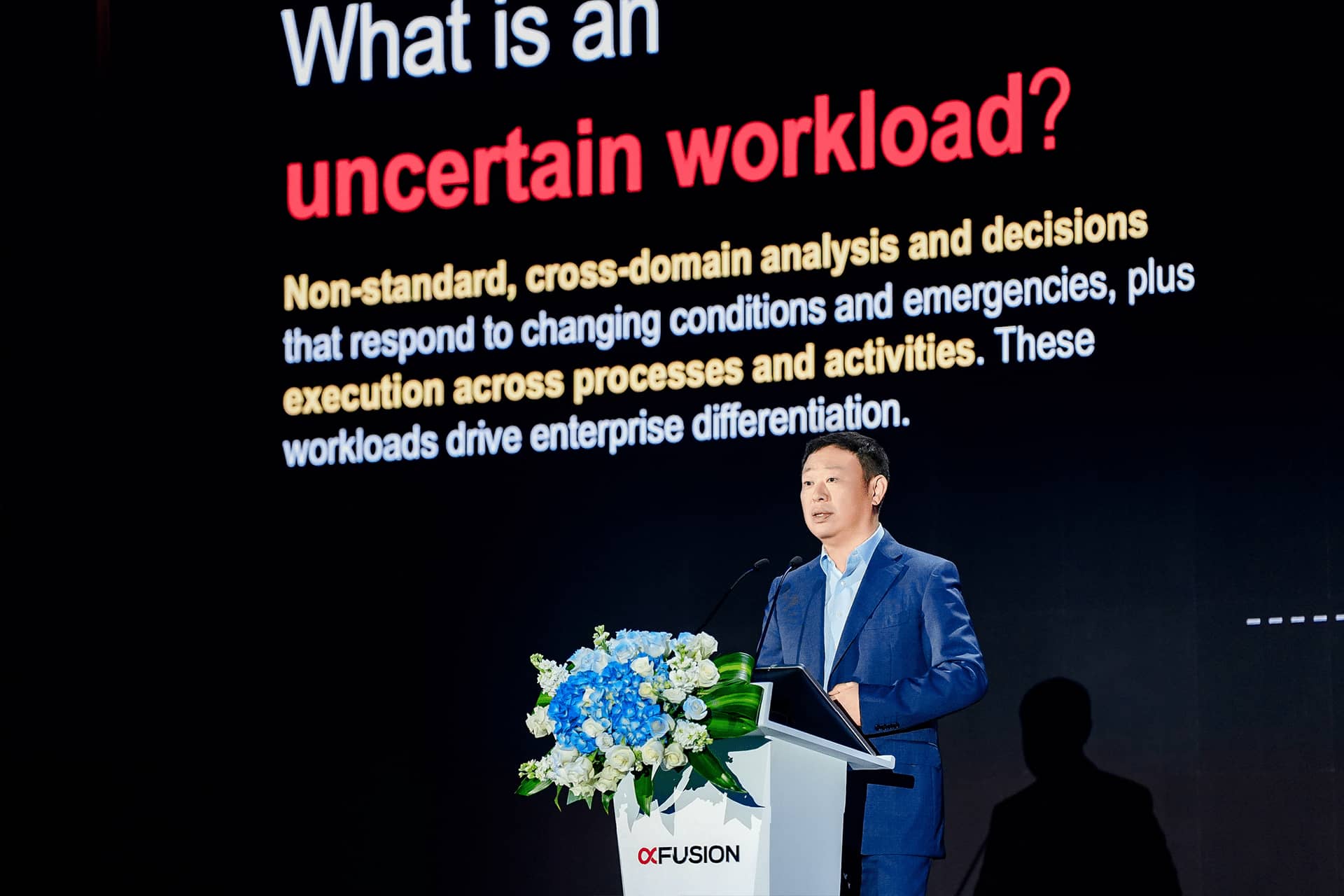 Jeffrey Liu, CEO,xFusion
Opening the conference, Jeffrey Liu, CEO of xFusion, delivered a keynote titled “Enterprise Evolution in the AI Era — The Sapient Enterprise.”
Liu reviewed xFusion’s growth journey since its launch in 2021 and turned to a broader shift now confronting enterprises worldwide. AI is reshaping product R&D, content creation and collaboration, operations, analytics, decision-making, and increasingly, the physical world. For enterprises, the challenge is no longer simply to adopt AI, but to keep pace with change, manage costs, and translate AI investment into clear business value.
Liu noted that in the next three to five years, enterprises that move decisively on AI may begin to pull ahead of those that remain on the sidelines. To do so, each enterprise needs a Token Factory matched to its own workloads — one that can convert compute, model selection, inference optimization, metering, and operations into a stable, trusted, and manageable supply of intelligence.
Building on this view, Liu outlined xFusion’s vision for the Sapient Enterprise, supported by two essential pillars: an efficient and secure Token production platform, and the AI-driven transformation of enterprise operations, analytics, and decision-making.
If compute cannot be effectively matched to workloads, Tokens cannot be produced efficiently. If AI cannot enter business processes, more Tokens will not automatically create more value.
Liu emphasized that the Sapient Enterprise will not be built in a single leap. It begins with activity-level Agents, progresses to process-level and enterprise-level intelligence, and ultimately extends to ecosystem-level Agents that enable cross-enterprise collaboration.
As a horizontal full-stack solutions provider for enterprises in the AI and data era, xFusion is connecting computing infrastructure, Token production, enterprise ontology, data and AI platforms, and business applications, while working with partners to bring the Sapient Enterprise to life across industries and markets.
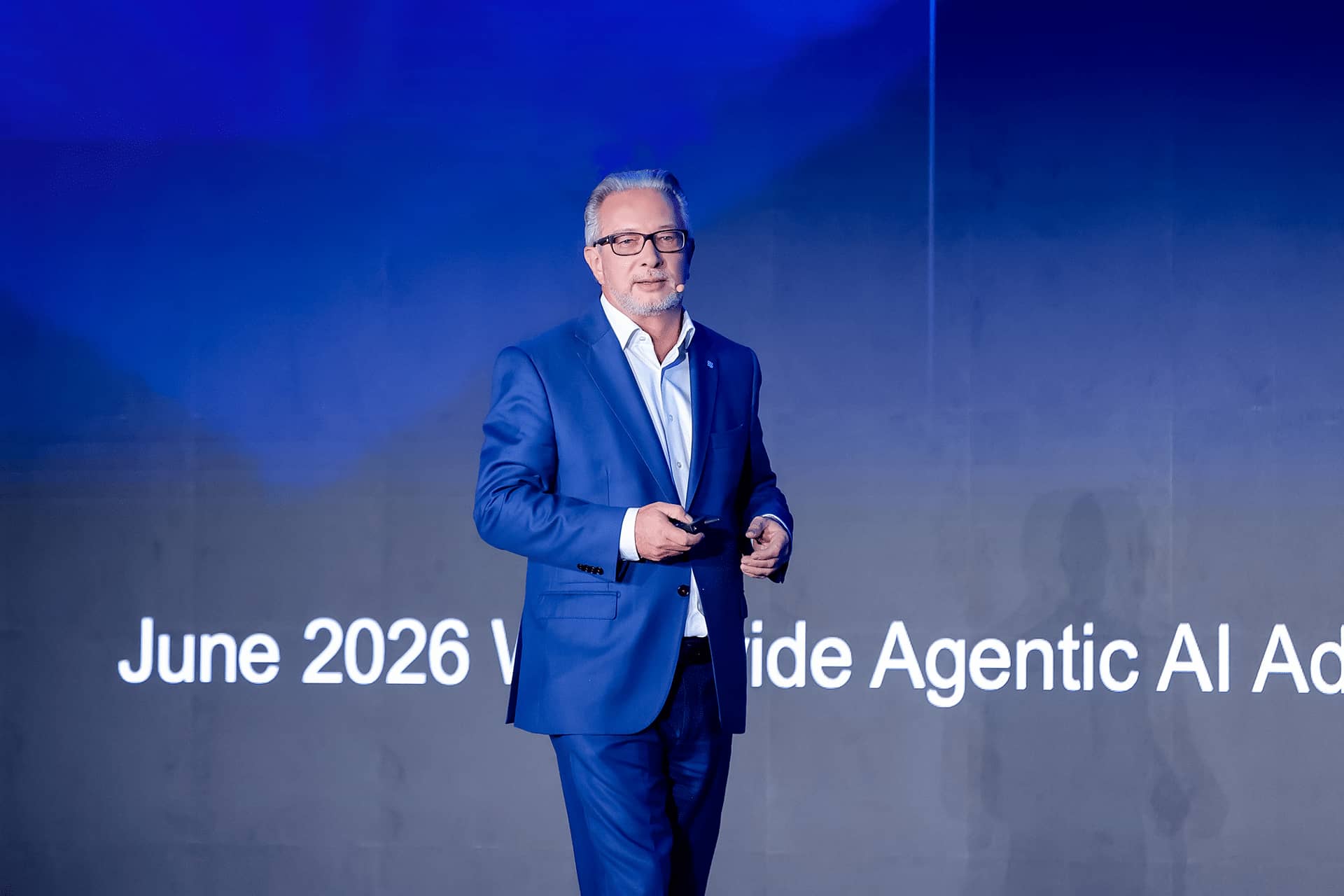 Thomas Meyer, SVP & GM, IDC Worldwide Research
External perspectives further enriched the discussion. Thomas Meyer, Senior Vice President & General Manager of IDC Worldwide Research, pointed out that the enterprise AI agenda is shifting from investment decisions to execution capability. Data readiness, system integration, governance, and measurable returns will determine whether AI pilots can scale into production.
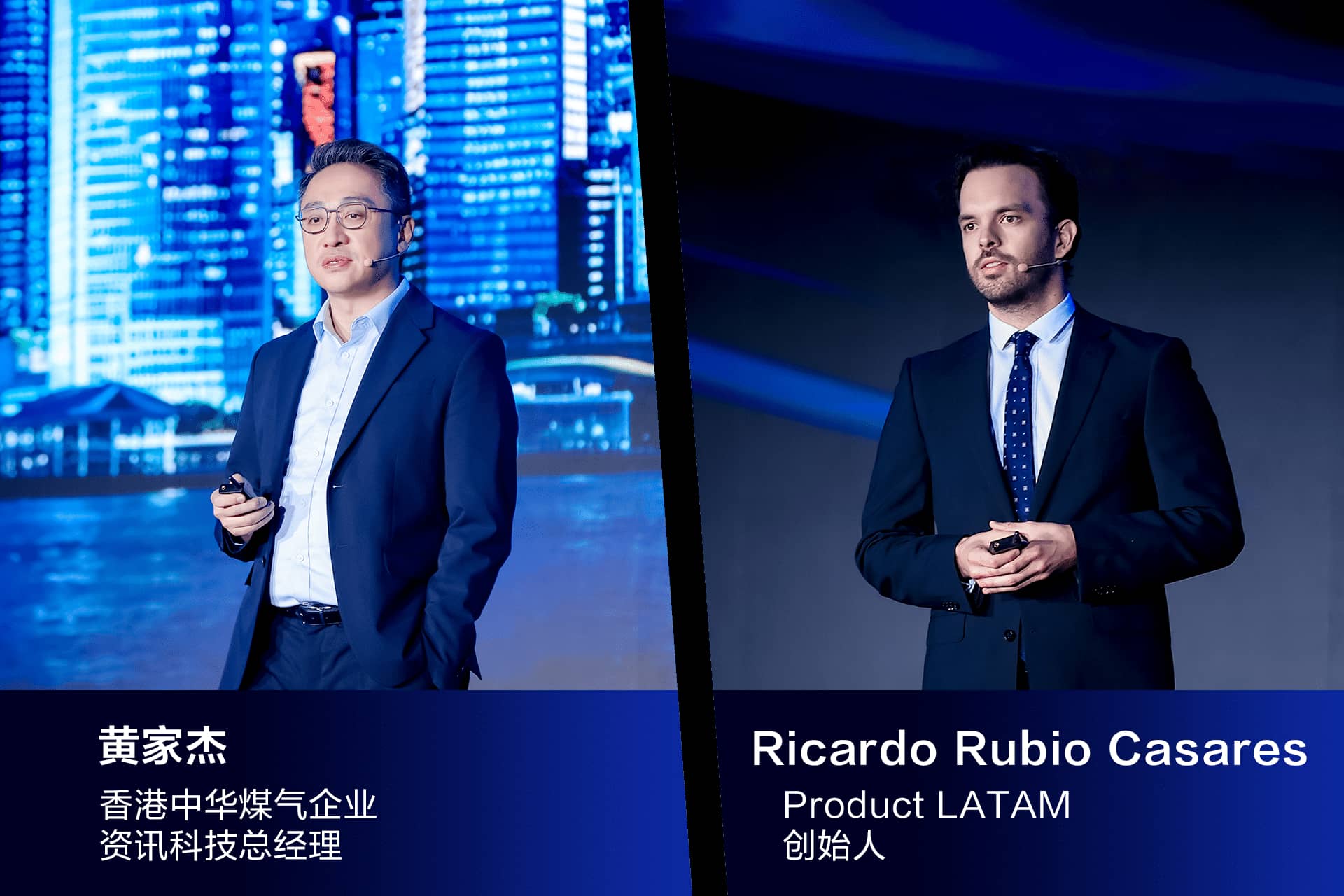 Alex Wong & Ricardo Rubio Casares
Speakers from different markets also brought practical perspectives. Alex Wong, General Manager of Corporate Information Technology at The Hong Kong and China Gas Company Limited, shared how the energy company is advancing digital transformation through data governance, AI platforms, and business Agents. Ricardo Rubio Casares, Founder of Product LATAM, discussed how local inference capabilities powered by xFusion FusionXpark support cost-effective and secure AI adoption for SMEs and hotel groups in Latin America.
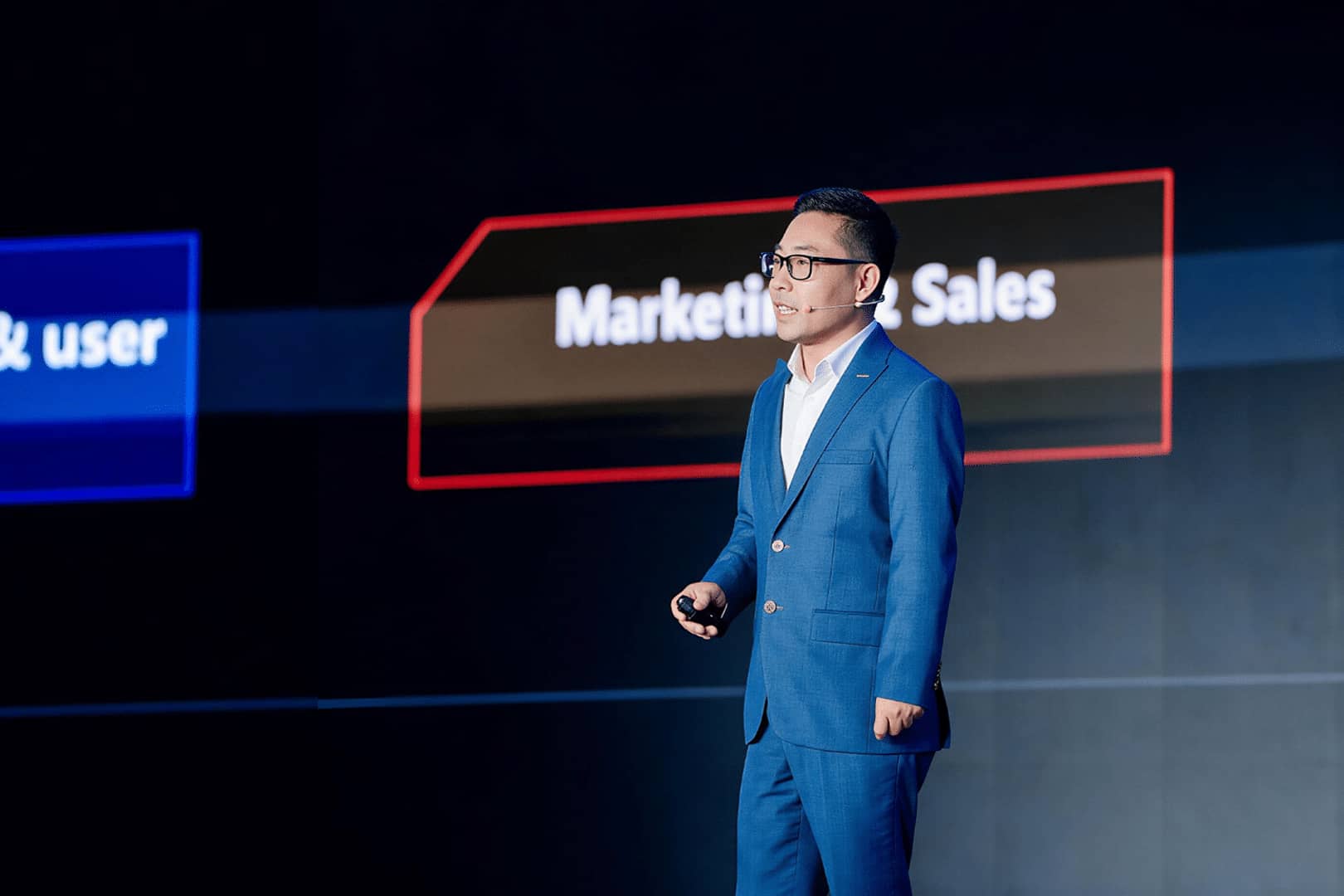 Roben Wang, VP of Sapient Enterprises Ecosystem Solutions, xFusion
Roben Wang, Vice President of Sapient Enterprise Ecosystem Solutions at xFusion, focused on how enterprises can move from isolated AI tools to operational intelligence. He explained that the challenge is not only to connect models to systems, but to help AI understand how an enterprise works. Through enterprise ontology, xFusion maps business objects such as customers, orders, and products, together with their relationships and rules, enabling Agents to move from individual tasks to cross-role and cross-system collaboration.
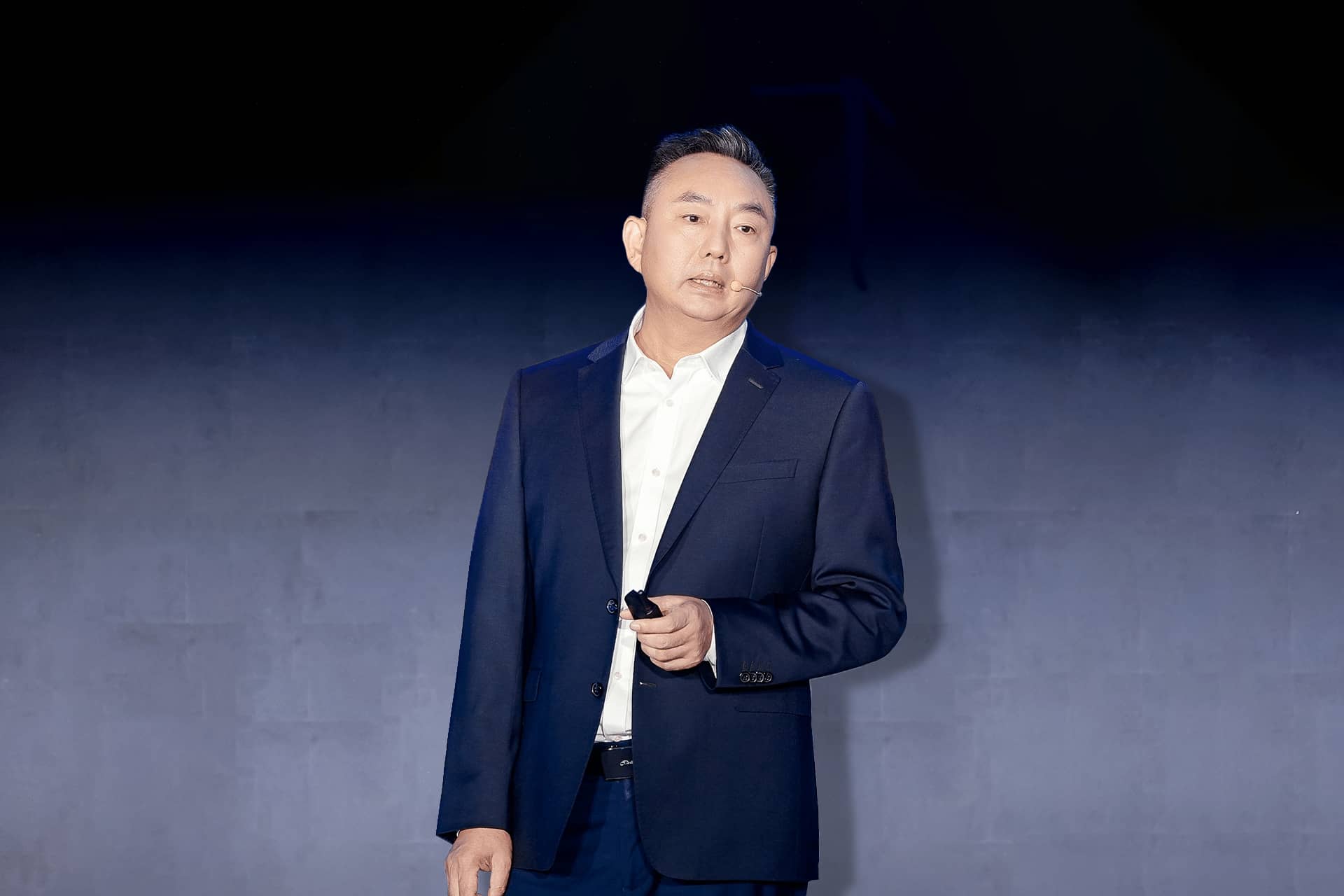 Cheng Zhao, President of Energy Smart Solutions, xFusion
Cheng Zhao, President of Energy Smart Solutions at xFusion, addressed the energy foundation of the Agentic Era. As AI data centers and intelligent scenarios create rising demands on power systems, xFusion is working across data center power supply, energy storage, charging networks, compute-power coordination, and partner collaboration to deliver intelligent energy solutions for different scenarios.
Token Factory in Action: Turning AI Infrastructure into Intelligence Supply
If the first chapter explained why enterprises need to change, the second focused on the system capabilities required to support that change.
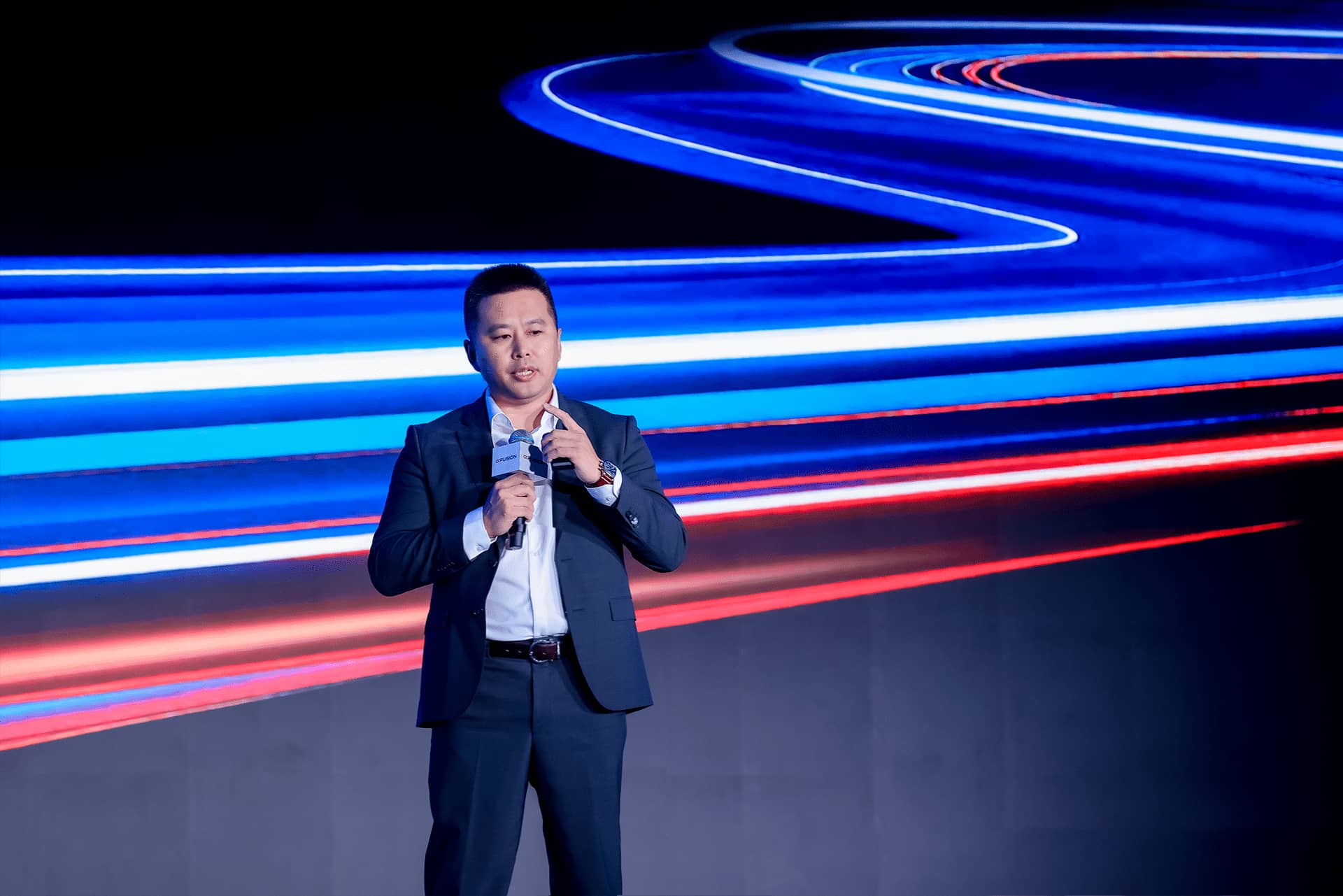 Tab Tang, President of Computing Infrastructure & Service, xFusion
Tab Tang, President of Computing Infrastructure & Service at xFusion, said the value of computing in the Agentic Era is moving from FLOPS to Token and Agent output per unit of compute. Although foundation models continue to advance, many enterprises still face a gap between high AI investment and difficult-to-measure returns.
To address this, xFusion is turning compute into an operational Token production system. Its approach treats Token as a cost center and Agent as a profit center, supported by private deployment, in-domain data, and Day-0 model adaptation.
Tang explained that enterprises need both an economic ledger and a security ledger. The economic ledger measures the break-even curve between self-built capacity and API-based consumption according to Token volume. The security ledger covers data sovereignty, governance and audit, business continuity, and model sovereignty. Together, they help enterprises establish Token production capacity of their own.
xFusion is expanding Token Factory capabilities both vertically and horizontally. Vertically, it integrates power supply, liquid cooling, servers, supernodes, operating systems, acceleration, and AI solutions. Horizontally, it extends across data centers, desktops, and edge intelligence.
Guided by the four pillars of BEST 3.0 — Beyond, Elemental, Seamless, and Trusted — xFusion combines a “1+3+N” full-scenario solution architecture, optimized Token efficiency, a Day-0 AI Lab, and global delivery services, working with chip, software, and industry partners to accelerate AI value creation.
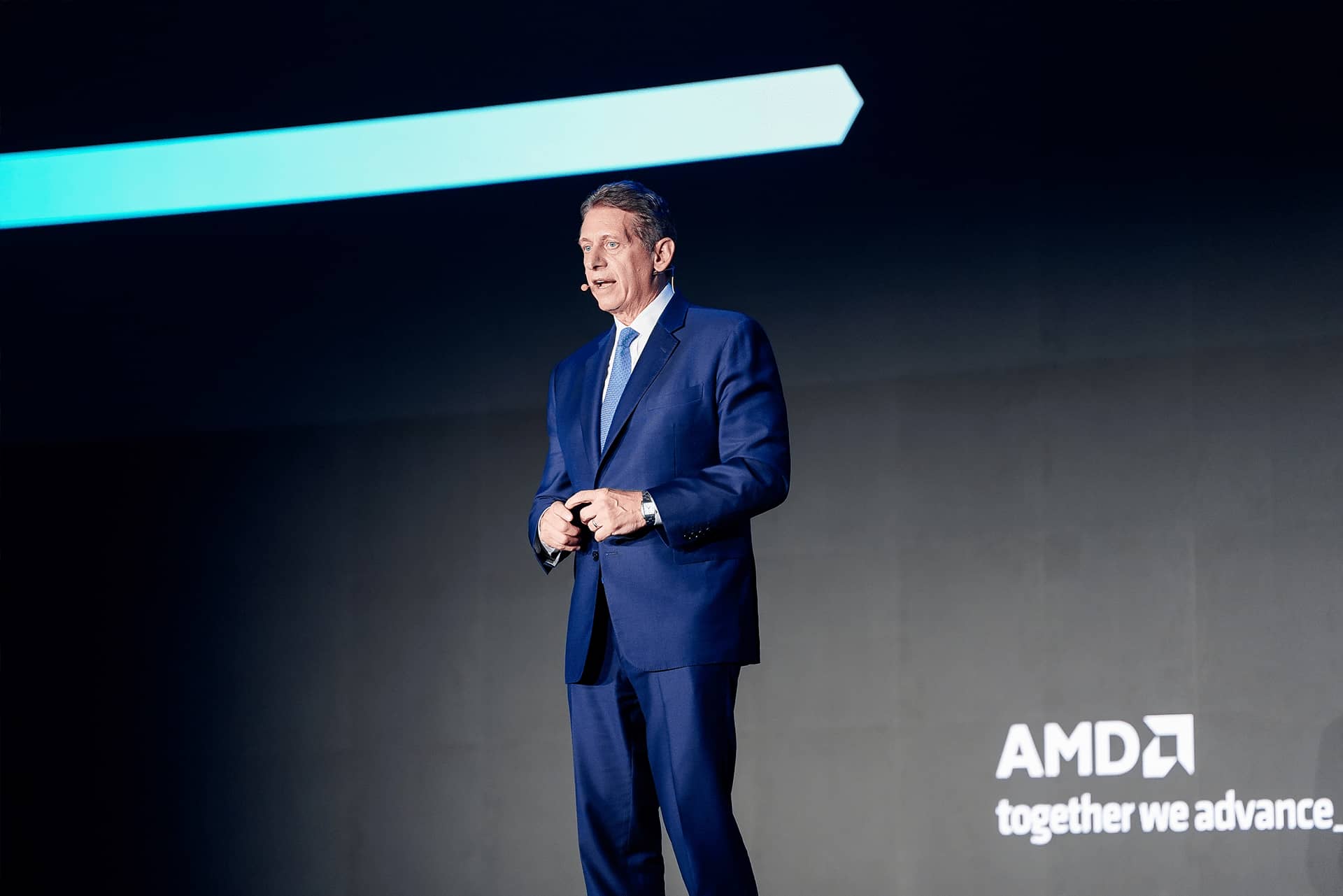 Philip Guido, Executive Vice President and Chief Commercial Officer, AMD
Philip Guido, Executive Vice President and Chief Commercial Officer at AMD, described AI as the “new electricity” of the Agentic Era. As Agent workloads require more context, reasoning, and tool calls, enterprises need more than higher peak performance. They need a diverse computing architecture that can match workloads across cloud, on-premises, and endpoint environments. Through hardware-software co-optimization and tiered computing, AMD and xFusion are working to convert every watt of compute into Tokens and business intelligence more efficiently.
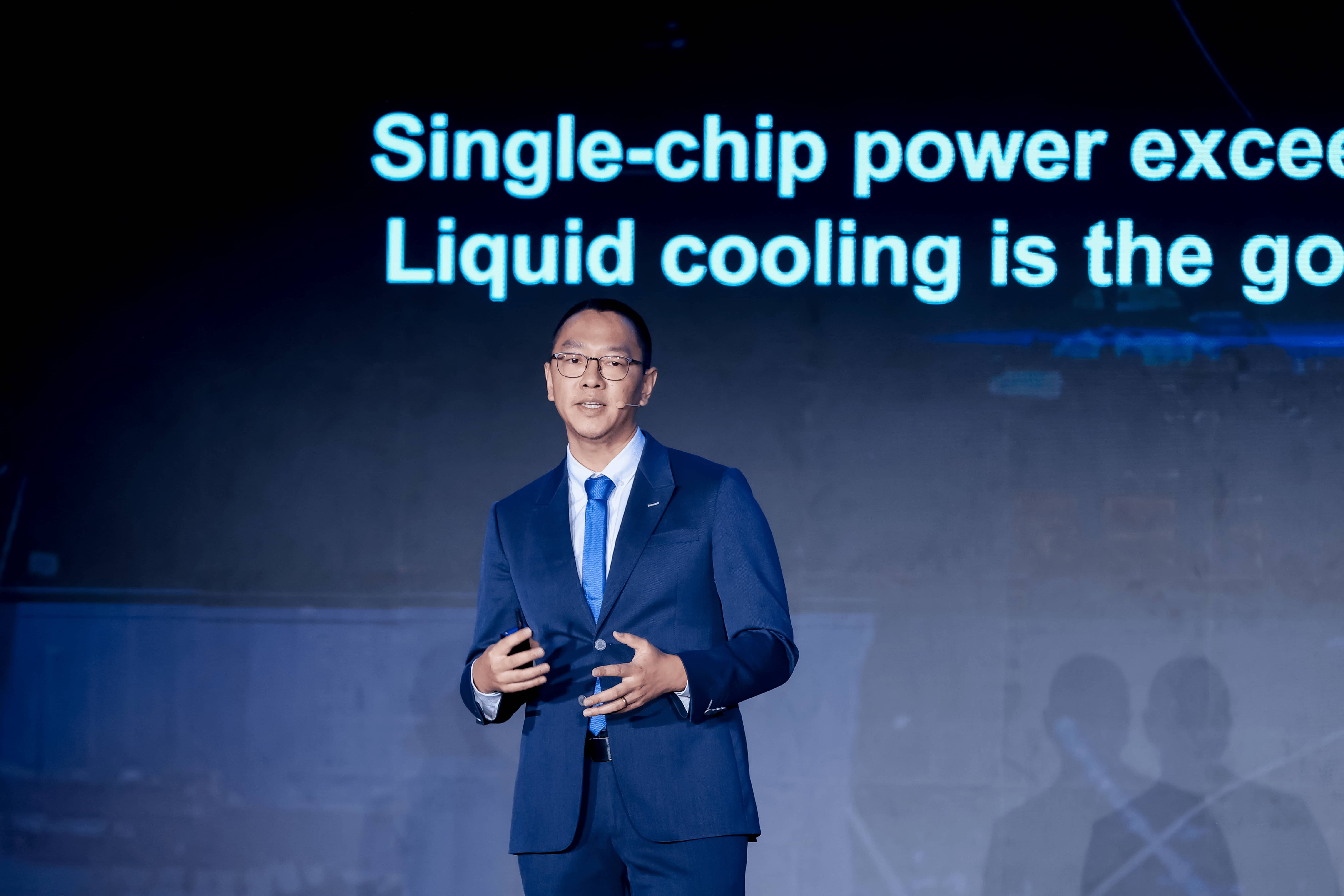 Arthur Wang, Product Director of FusionServer, xFusion
During the chapter, Arthur Wang, Product Director of FusionServer at xFusion, unveiled the FusionServer Infinity Computing Architecture. Through modular decoupling and heterogeneous compatibility, the architecture optimizes power distribution, liquid cooling, and interconnects, providing an evolvable infrastructure foundation for general-purpose computing, AI computing, and storage workloads. The FusionServer V9 series, the first products based on the new architecture, also made its debut at the event.
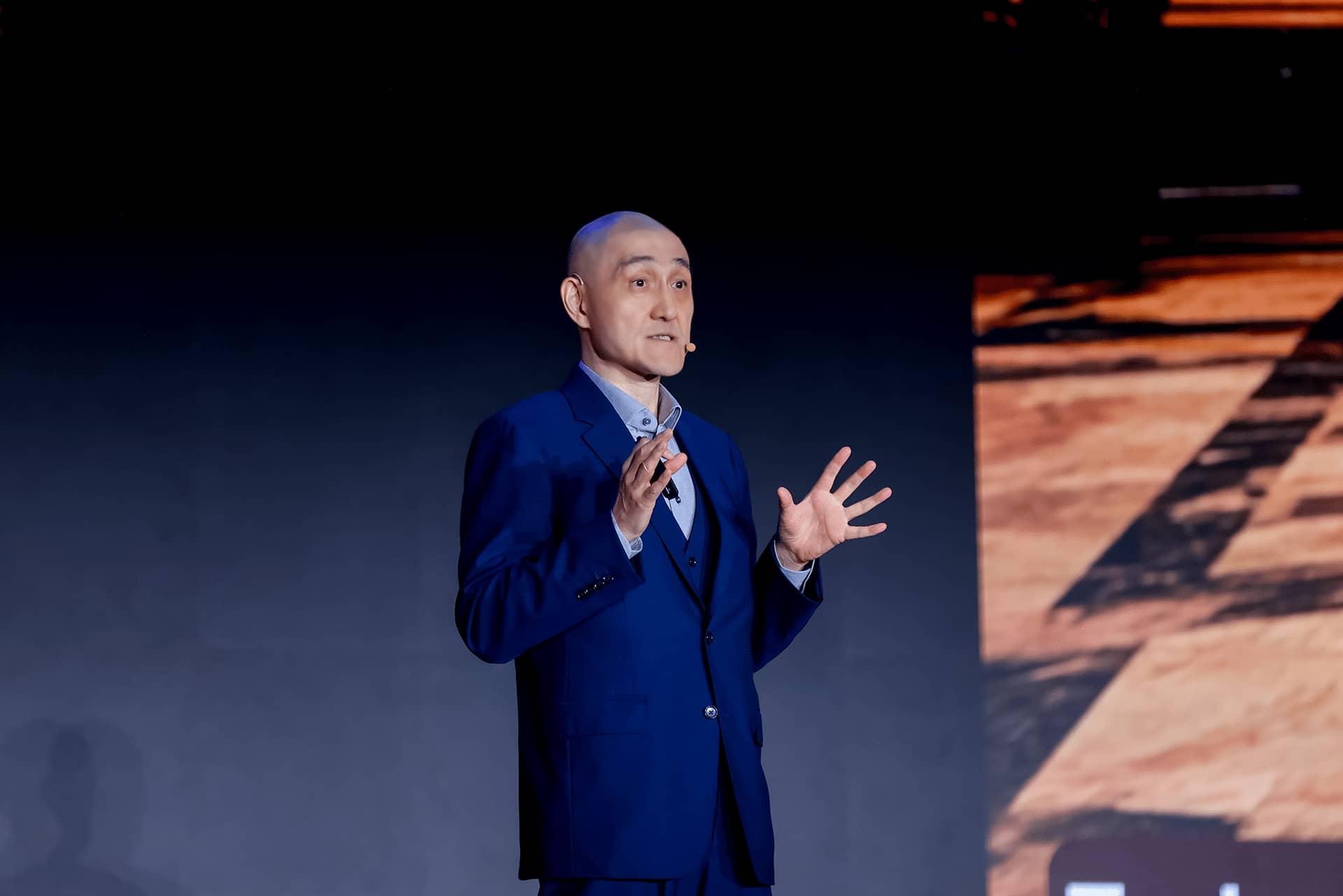 Wei Qing, Chief Technology Officer, Microsoft (China) Co., Ltd.
Wei Qing, Chief Technology Officer of Microsoft (China) Co., Ltd., shared that the barriers to enterprise AI adoption often lie not only in models, but also in expectations, organizational readiness, and operating mechanisms. Drawing on Microsoft’s “Customer Zero” practice, he called for enterprises to redesign roles, knowledge, and decision chains around AI-native processes, while putting data, permissions, evaluation, and accountability mechanisms in place before Agents enter core operations.
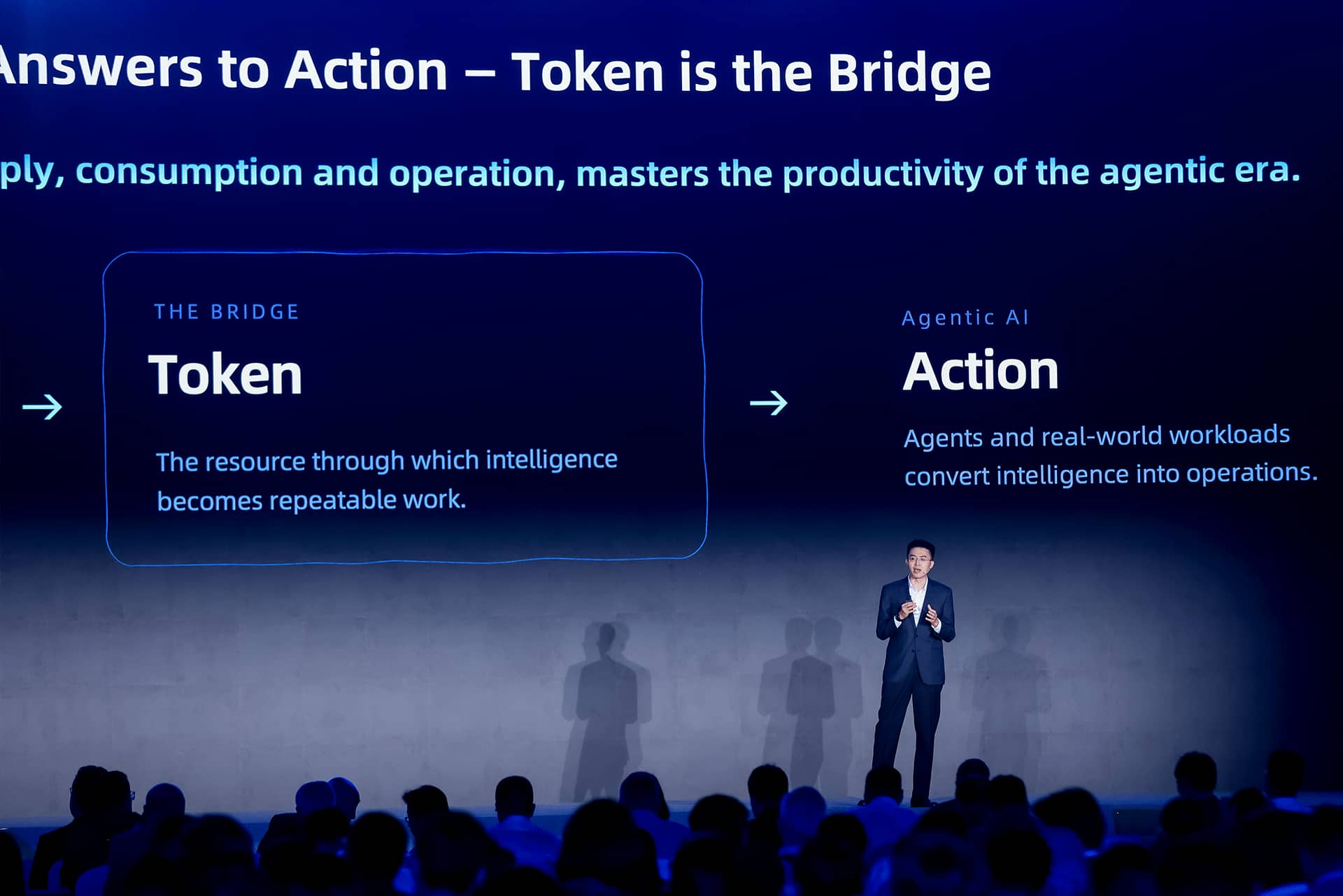 Lyndon Wang, Vice President , Computing Domain, xFusion
Beyond infrastructure, the move from AI pilots to scaled deployment requires new approaches to Token production and operations. Lyndon Wang, Vice President of Computing Domain at xFusion, noted that different tasks require different levels of context, latency, and security in a multi-model, multi-Agent environment. Enterprises must understand which models are being used, who is consuming Tokens, why costs are changing, and whether investment is creating business value.
As the “Customer Zero” for its own solution, xFusion’s Token Factory now supports more than 100 Agents across more than 30 business scenarios. Based on this experience, xFusion has developed a six-step implementation framework to reduce trial and error and accelerate production deployment. The FusionOne AI Enterprise Token Factory Solution connects compute, models, and Token operations, turning Tokens into a measurable, manageable, and continuously optimizable supply of intelligence.
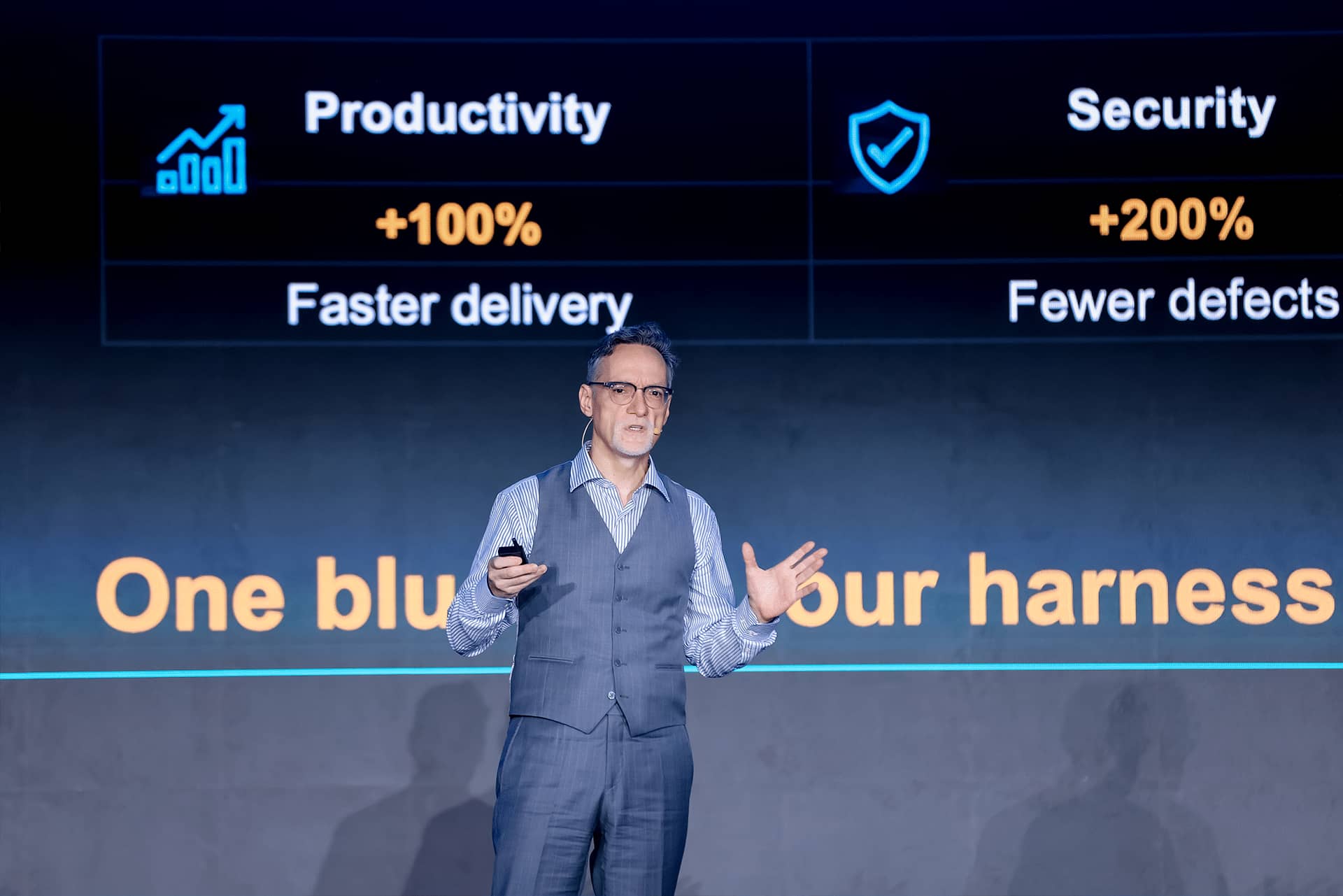 Luis Belmar Letelier, Chief Technology Officer, Forvis Mazars en France
Luis Belmar Letelier, Chief Technology Officer at Forvis Mazars France, highlighted the importance of data sovereignty in highly confidential scenarios such as accounting. Over a four-year partnership, Forvis Mazars has deployed xFusion servers to support cloud infrastructure and AI inference. As one of the first organizations to evaluate and use the TokenBox™ Local AI Super Workstation, its team is testing the system’s inference performance and throughput, with plans to jointly contribute to open-source code and financial AI initiatives.
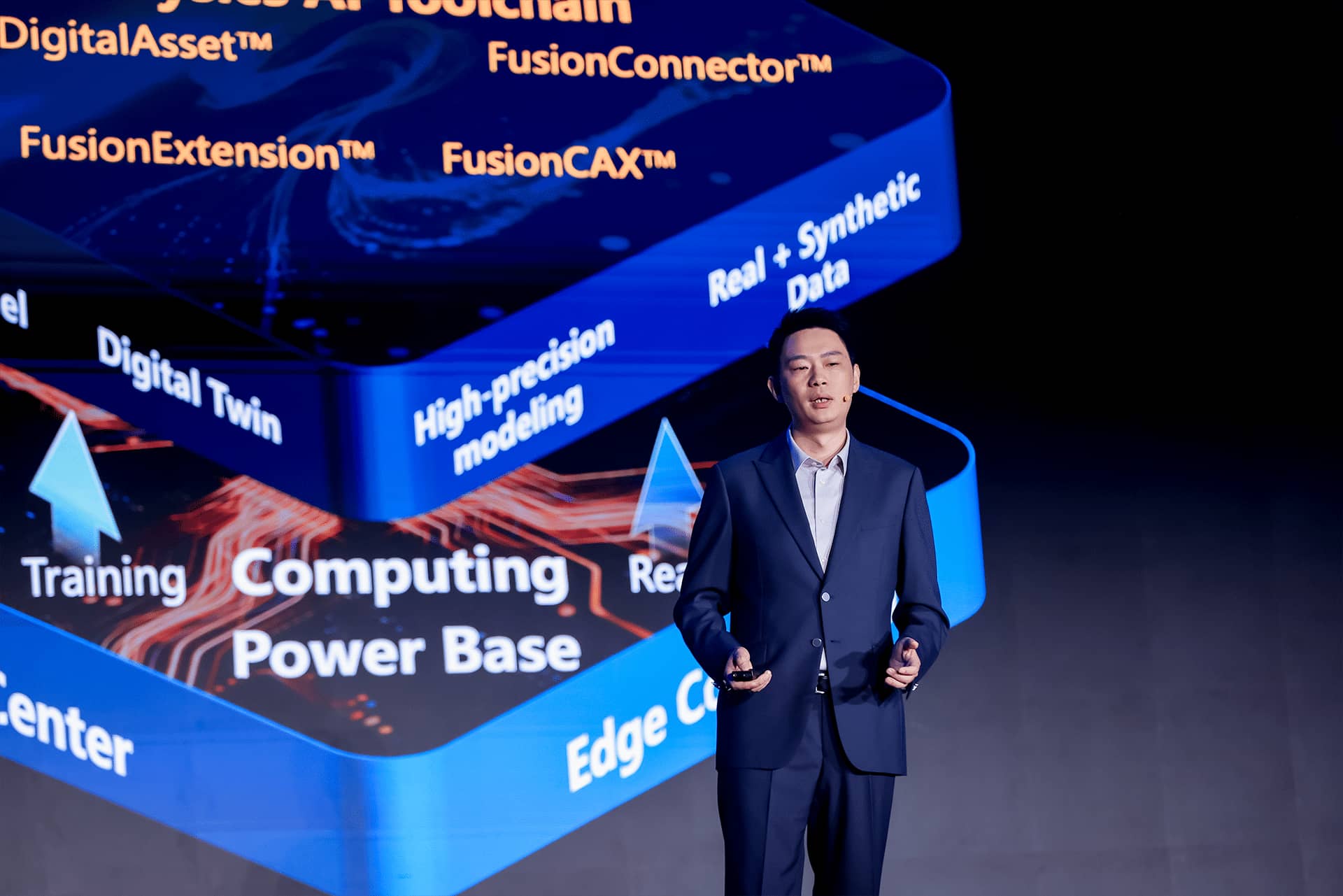 Zhou Xun, General Manager of Edge Computing, xFusion
At the edge, Zhou Xun, General Manager of Edge Computing at xFusion, said physical AI is extending compute beyond the data center into industrial sites, retail environments, and desktops. xFusion is advancing its physical AI strategy through integrated hardware and software solutions, while expanding its edge ecosystem from Linux to Windows.
At the event, Zhou Xun and Ji Zhaohui, Vice President of Marketing at AMD Greater China, jointly launched the FusionXpark M series desktop AI supercomputers. Built on the AMD Ryzen AI Max+ platform, the M495, powered by AMD Ryzen AI Max+ PRO 495, features up to 192 GB unified memory and native Windows support. Designed for local foundation models, Agent development, and AI Agent office scenarios, the FusionXpark M series includes the FusionXplay intelligent application store and supports on-device data processing, Token metering, and AgentCare.
From the FusionServer Infinity Computing Architecture and FusionServer V9 servers to FusionOne AI Enterprise Token Factory Solution and FusionXpark M desktop AI supercomputers, xFusion presented an end-to-end path from data center infrastructure and Token operations to edge and desktop intelligence. Token Factory is moving from an industry concept to deliverable products, platforms, and real application scenarios.
Partnering for Growth: Building the Agentic Era Together
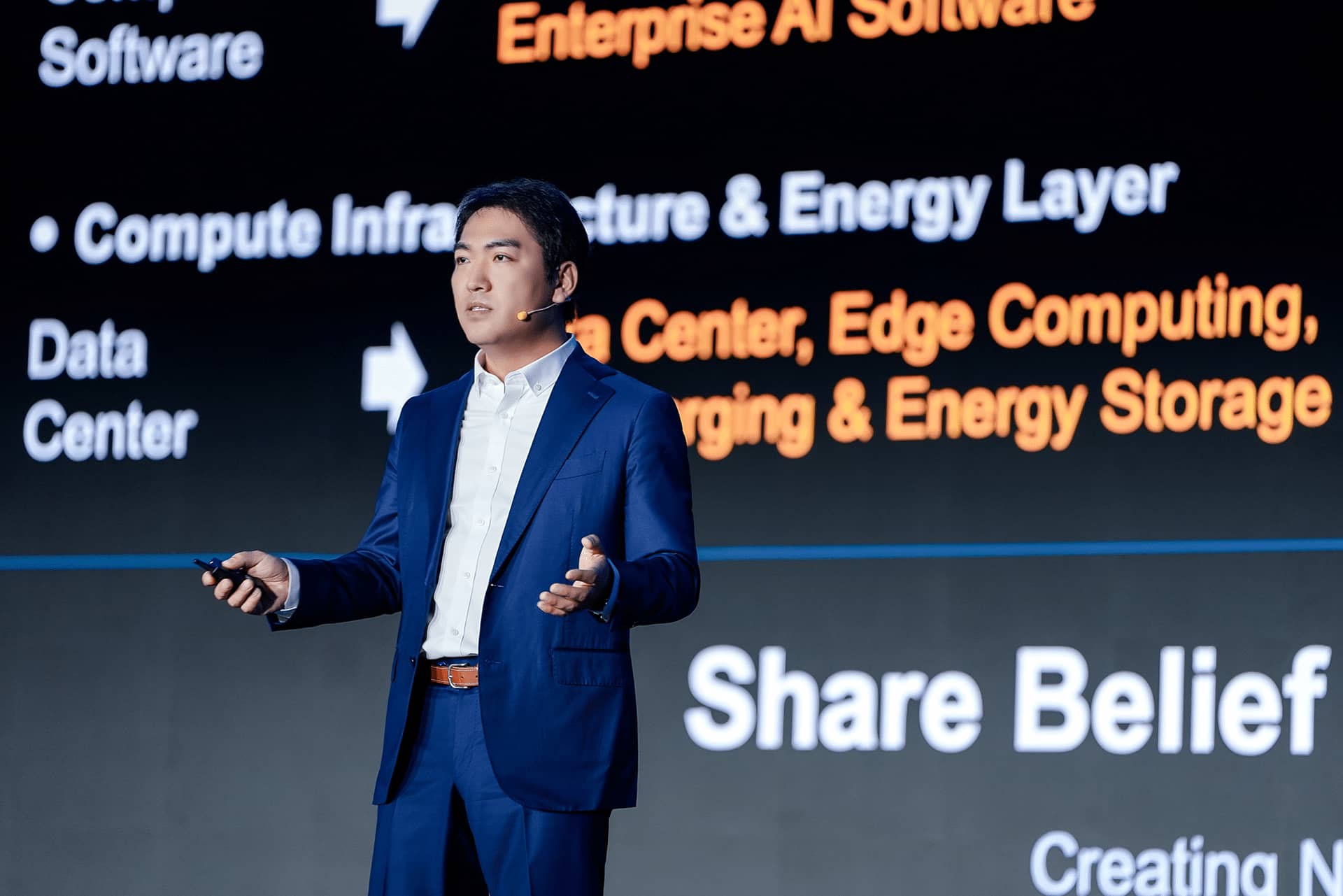 Louis Zhao, President of International Business, xFusion
In the third chapter, xFusion turned the focus from technology systems to global collaboration.
Louis Zhao, President of International Business at xFusion, delivered a keynote titled “Empowering Global Intelligence, Together.” He reviewed the progress of xFusion’s international business and outlined its next stage of growth.
Having established market coverage, customer foundations, and partner networks, xFusion’s international business is moving from “1.0” to “2.0.” Its scope is expanding from data center products to edge computing, enterprise AI solutions, and intelligent energy solutions. Its partnership model is also evolving from traditional channel cooperation to more flexible local collaboration and joint delivery.
Zhao said the Agentic Era is creating common technology shifts across global markets, but enterprise scale, industry needs, and deployment conditions differ by region. In the next phase, xFusion will work with customers and partners around four priorities: Sapient Enterprise, Token Factory, compute-power coordination, and ecosystem co-creation.
Whether building intelligent production capacity aligned with business workloads or bringing AI into enterprise operations, each solution must combine local industry knowledge with delivery capability and adapt to the needs of the specific market. This is also the direction in which xFusion is advancing its global partner ecosystem — from product-based cooperation to full-stack solution co-creation.
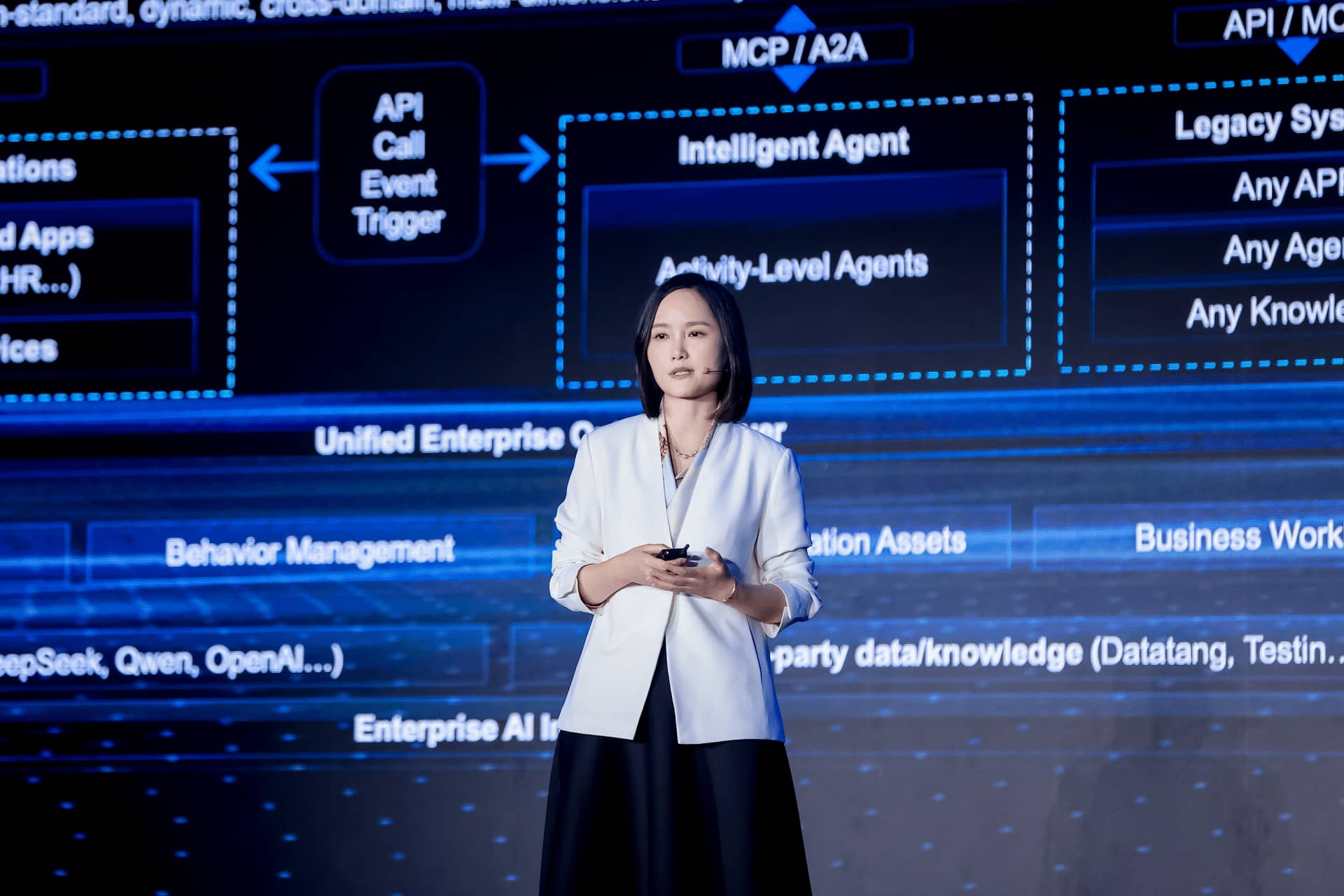 Zhou Peiling, Head of International Partner Development and Sales, xFusion
Zhou Peiling, Head of International Partner Development and Sales at xFusion, further outlined the partner collaboration model for the Agentic Era. As computing infrastructure, enterprise software, and intelligent energy solutions expand in coordination, sales, solution, service, and OEM partners will play complementary roles across market development, system integration, joint solution development, local delivery, consulting, and implementation.
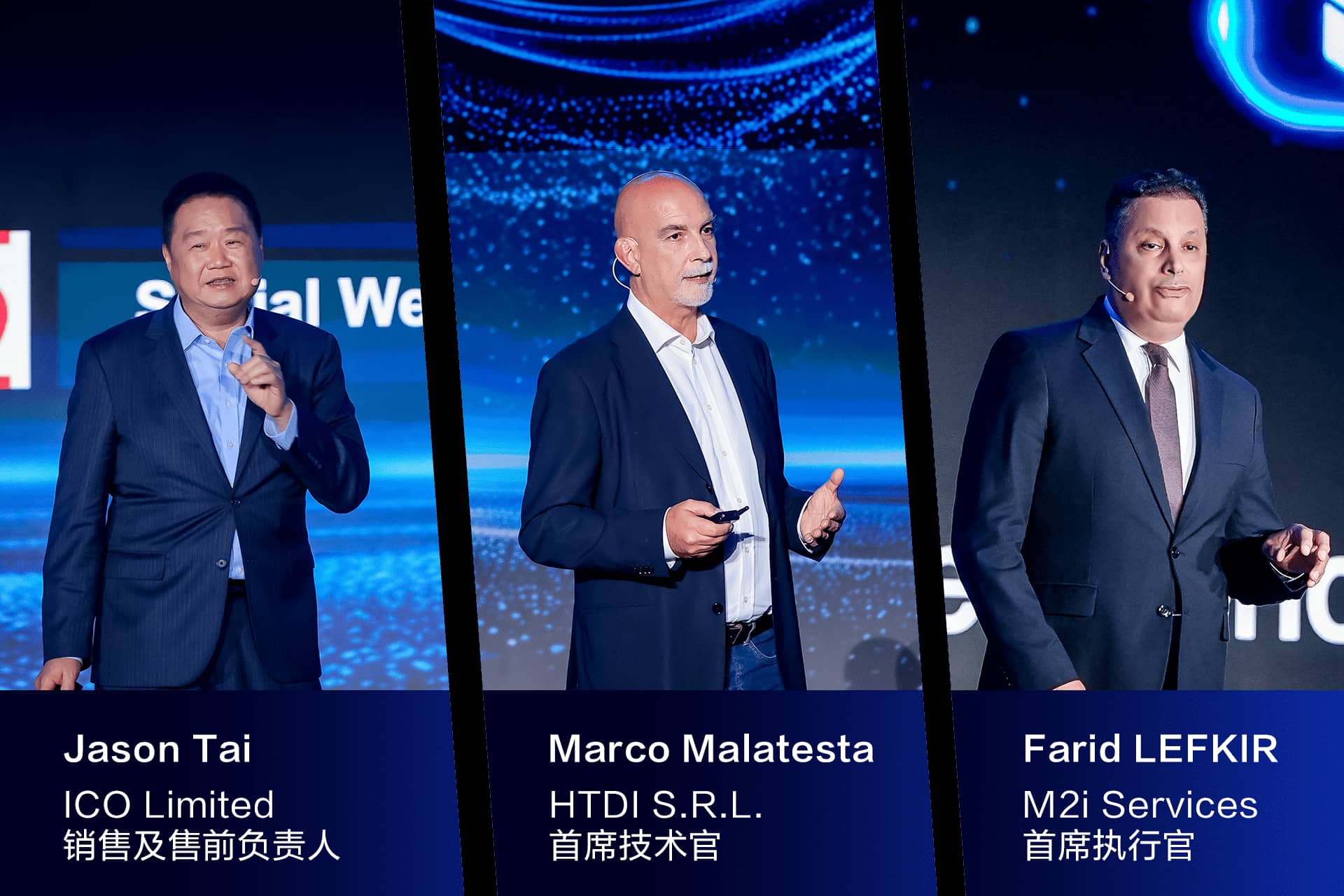
During the Global Partner Insights session, partners from different regions shared market perspectives and collaboration practices. Jason Tai, Head of Sales & Presales at ICO Limited, discussed AI data center infrastructure and computing and model management practices in Southeast Asia. Marco Malatesta, Chief Technology Officer at HTDI S.R.L., shared cooperation opportunities in research, education, power, and transportation. Farid LEFKIR, Chief Executive Officer of M2I Services, brought a partner perspective from North Africa.
Their insights reinforced a shared message: as AI enters real enterprise workflows, local partners are essential to turning horizontal capabilities into industry-specific value.
From Infrastructure to Business Value
xFusion Explorer 2026 presented a clear path for enterprise AI: produce and operate Tokens efficiently, enable AI to understand the enterprise, and work with partners to bring intelligence into real business scenarios.
xFusion will continue to build reusable horizontal capabilities in computing infrastructure, Token production and operations, enterprise ontology, and AI platforms. At the same time, industry software, domain expertise, and local market experience must be co-created with partners who understand the needs of specific sectors and regions.
Only by combining horizontal capabilities with vertical expertise can AI move from concept to production, from infrastructure to intelligence supply, and from isolated pilots to measurable business value.
As enterprises enter the Agentic Era, the promise of “Building the Agentic Era Together” will ultimately be tested not by concepts, but by real-world deployment. xFusion Explorer 2026 marked another step on that path.